
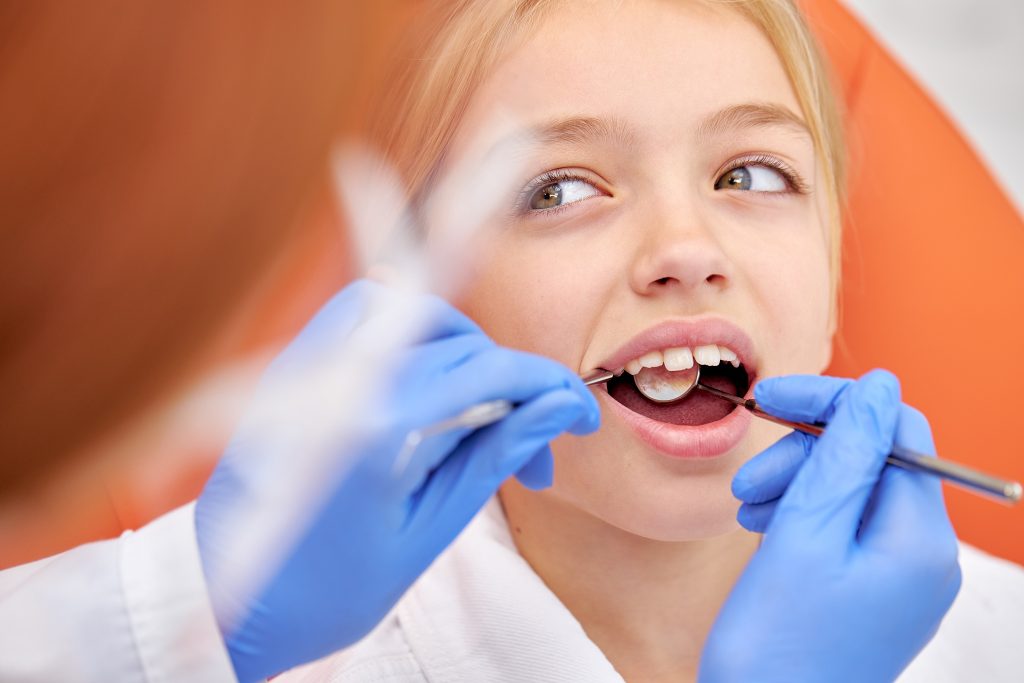
What Parents Should Know About Phase 1 Orthodontics
As a parent, you want the best for your child, and that includes their smile. If you’ve noticed crowded teeth, a misaligned bite, or other dental concerns, you may be wondering whether orthodontic treatment should start sooner rather than later. The good news is that early evaluation can make a significant difference, and at Reese Orthodontics, Dr. Karen Reese has helped countless children in New Hope and the surrounding communities get ahead of potential problems before they become more complex.
What Is Early Orthodontic Treatment?
Early orthodontic treatment, sometimes called Phase 1 orthodontics, typically takes place between the ages of 7 and 10, while a child still has a mix of baby and permanent teeth. The American Association of Orthodontists recommends that children receive their first orthodontic evaluation by age 7. This doesn’t mean every child will need treatment at that age, but it gives the orthodontist a chance to identify developing issues and determine whether intervention would be helpful.
Phase 1 treatment is not about achieving a perfect smile overnight. It’s about laying the groundwork so that future orthodontic treatment, if needed, is shorter, less complicated, and more effective.
What Problems Can Early Treatment Address?
Not every child requires early orthodontic treatment, but for some, stepping in before the jaw stops growing can lead to better outcomes. Early evaluation allows Dr. Reese to identify and address concerns such as:
- Overcrowding, where the jaw may not have enough space for permanent teeth to come in properly
- Crossbites, which can cause uneven jaw growth if left untreated
- Overbites and underbites that are easier to correct while the jaw is still developing
- Thumb-sucking or tongue-thrusting habits that affect tooth positioning
- Teeth that are erupting in the wrong direction or blocking other teeth
Catching these issues early can prevent more invasive procedures down the road, including tooth extractions or corrective jaw surgery.
How Does Early Treatment Work?
Phase 1 orthodontic treatment typically involves appliances designed to guide jaw growth and create the right amount of space for incoming permanent teeth. These might include expanders, partial braces, or other specialized devices. Treatment usually lasts 12 to 18 months and is followed by a resting period while the remaining permanent teeth come in.
After Phase 1, many children do go on to complete Phase 2 treatment, which involves full braces or clear aligners. However, because the foundation was established earlier, Phase 2 tends to be more straightforward and often shorter in duration.
Is Early Orthodontic Treatment Right for Every Child?
Not necessarily. Some children benefit greatly from early intervention, while others do better waiting until their permanent teeth have come in fully. The key is getting a professional evaluation so you have the information you need to make the right decision for your child.
During an evaluation at Reese Orthodontics, Dr. Reese will review X-rays and examine your child’s bite, jaw development, and tooth eruption patterns. She’ll walk you through her findings in plain language and let you know whether orthodontic treatment now makes sense or whether a watch-and-wait approach is the better path.
What Are the Long-Term Benefits?
When early orthodontic treatment is warranted, the long-term benefits can be substantial. Children who receive Phase 1 treatment often experience improved facial symmetry, better breathing, and less difficulty chewing. They also tend to have healthier self-esteem as their smile develops in a more controlled, predictable way. And from a practical standpoint, addressing problems early can reduce the overall time and cost of orthodontic treatment over the course of your child’s care.
Is It Time to Schedule an Evaluation for Your Child?
If your child is around age 7, or if you’ve noticed signs of crowding, bite issues, or other concerns at any age, now is a great time to schedule a consultation. Early orthodontic treatment isn’t about rushing the process; it’s about making sure your child has every advantage as their smile grows and develops.
Ready to Take the First Step?
At Reese Orthodontics, Dr. Karen Reese and her team are here to help New Hope families navigate the orthodontic journey with confidence and care. Contact our office today to schedule your child’s evaluation and find out whether early orthodontic treatment could set them up for a lifetime of healthy, beautiful smiles.